
Horned Lizards (Phrynosoma sp.)
Animal group: Reptile
Family: Phrynosomatidae
Number of species: Approximately 21
Length: Around 6–20 cm, depending on the species
Diet: Mainly ants, plus beetles and other small invertebrates
Habitat: Deserts, dry grasslands, scrublands and open woodland
Distribution: North and Central America
Conservation status: Varies between species
A Lizard, Not a Toad!
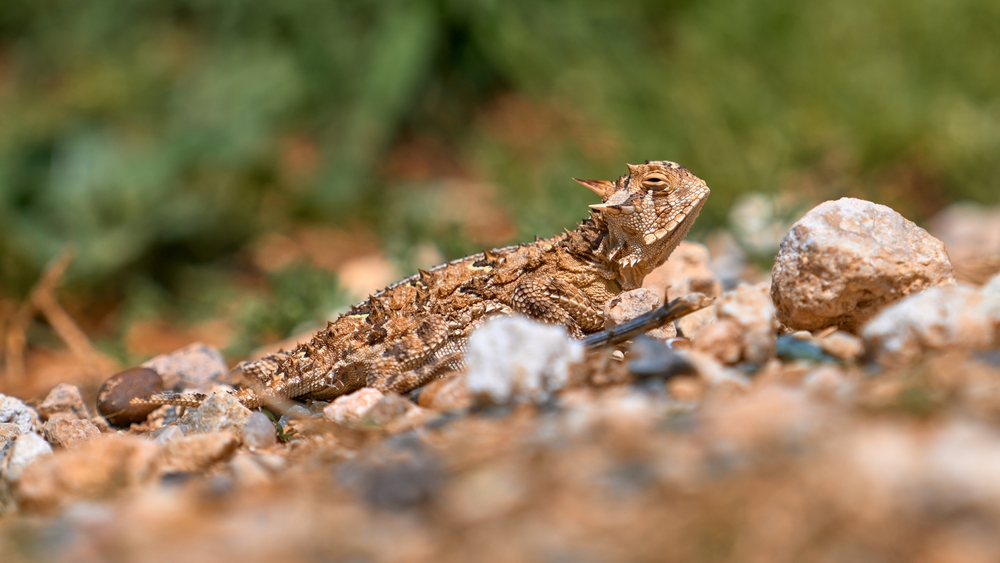
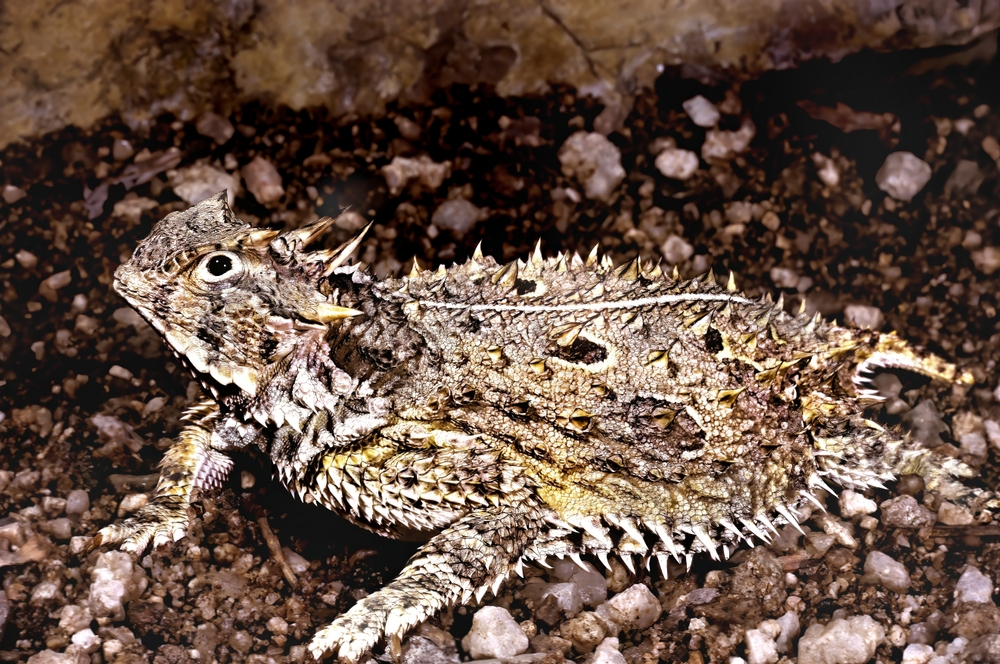
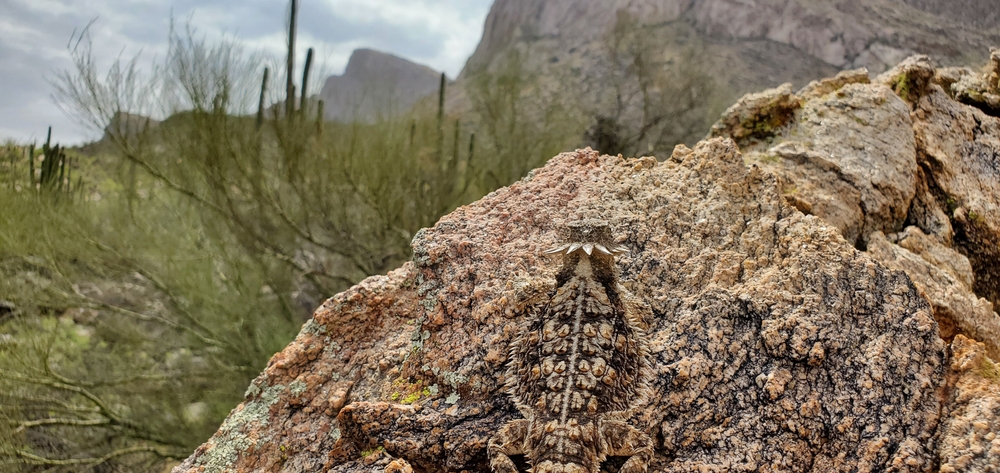
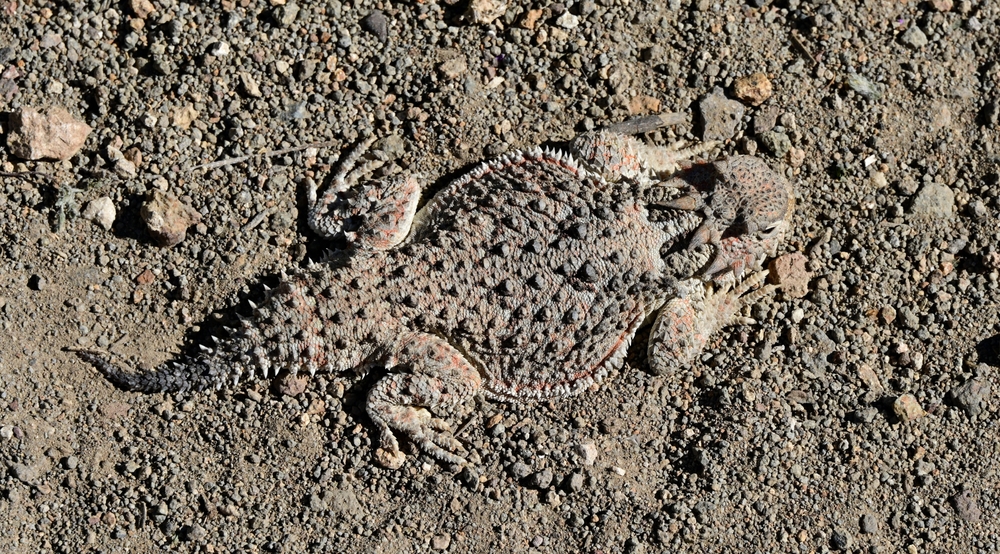
Horned lizards are sometimes called “horned toads” because of their wide, flattened bodies—but they are actually lizards. Their horns, spines and sandy colours help them blend into dry ground and discourage predators from attempting to swallow them.
When threatened, a horned lizard may remain completely still, bury itself in sand or puff up its body to appear larger.
Ant-eating Specialists
Most horned lizards eat large numbers of native harvester ants. They wait beside an ant trail and quickly capture each passing insect with a flick of their sticky tongue. Beetles, spiders and other small invertebrates may also be eaten.
Most species lay eggs in underground nests. However, some horned lizards living in colder mountain regions give birth to live young.
Did You Know?
Several horned lizard species can defend themselves by squirting blood from the corners of their eyes! The blood has an unpleasant taste that may discourage predators such as foxes and coyotes. Habitat loss, pesticides and the disappearance of native ants have caused some horned lizard populations to decline. Horned Lizard Conservation Society, Texas Parks and Wildlife Department