
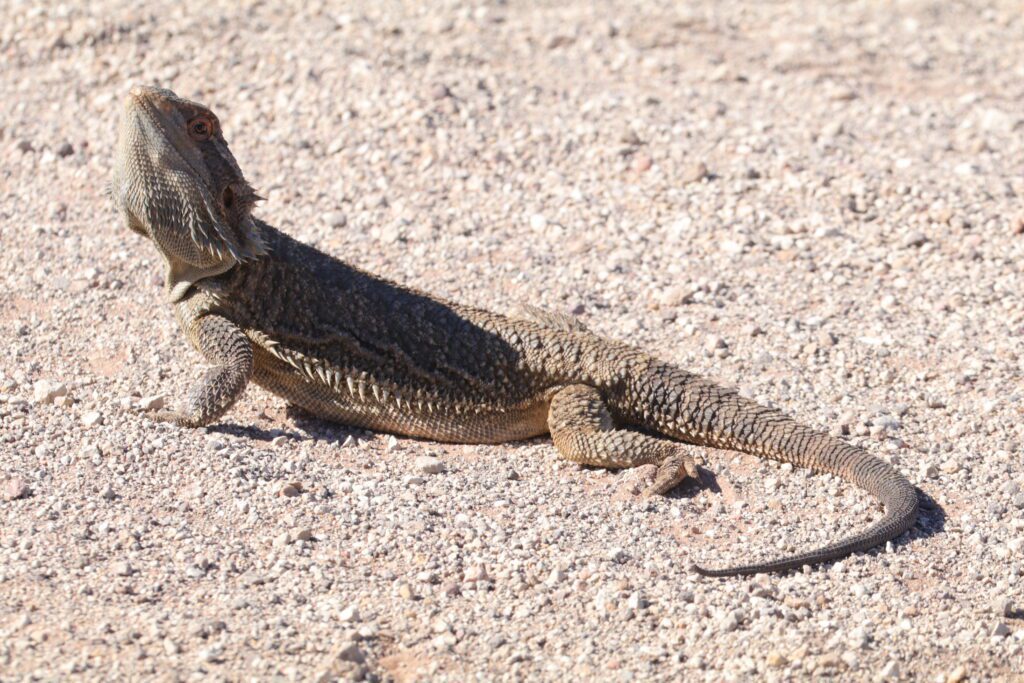
Expedition Bearded Dragon was our first expedition with just one objective: to document the habitat of Pogona vitticeps. With expert guidance, we concentrated an entire expedition into just 5 days at a single research site in New South Wales. This resulted in observations of over 15 dragons of two species, providing valuable information on the habitat usage of these popular reptiles.
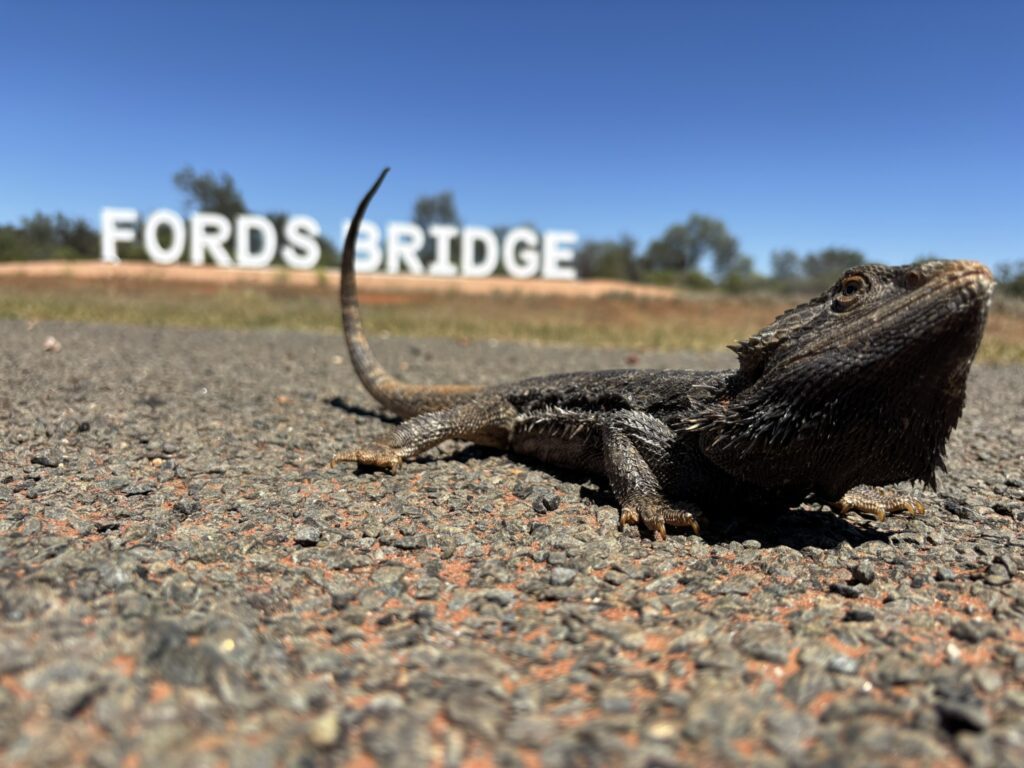
Location, Location, Location
The Central Bearded Dragon (Pogona vitticeps) has an enormous range spanning most states in Australia and covering a huge area of the country’s arid interior. There is some morphological variation across their distribution, with animals from South Australia typically being brighter in colouration than those from New South Wales or the Northern Territory. Our research focused on the eastern-most population of Pogona vitticeps. Here, there is also an intergrade zone where P. vitticeps and P. barbata are sympatric. There has been evidence of the two species also hybridizing in this region.
The Central Bearded Dragon and Eastern Bearded Dragon are both quite distinct. Central ‘beardies’ are bulkier, with broader heads to help digest tougher plant fibres. Eastern ‘beardies’ on the other hand, are generally slimmer (but can still reach impressive sizes) and have spiny tails, which the males use in combat. Both are omnivorous, though it is likely that Central Bearded Dragons eat a higher percentage of plants than Eastern Bearded Dragons.
Temperature and Humidity
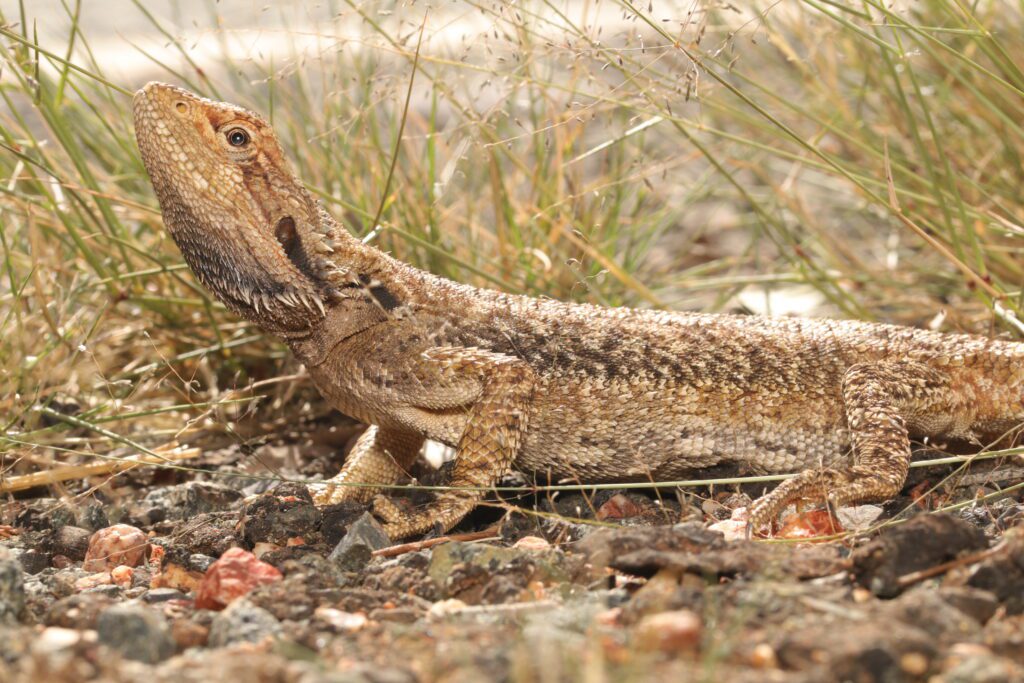
We planned our expedition around breeding season, which takes place throughout spring (September – November). The exact time when breeding occurs changes throughout the species’ range. Northern populations will breed slightly later than southern populations.
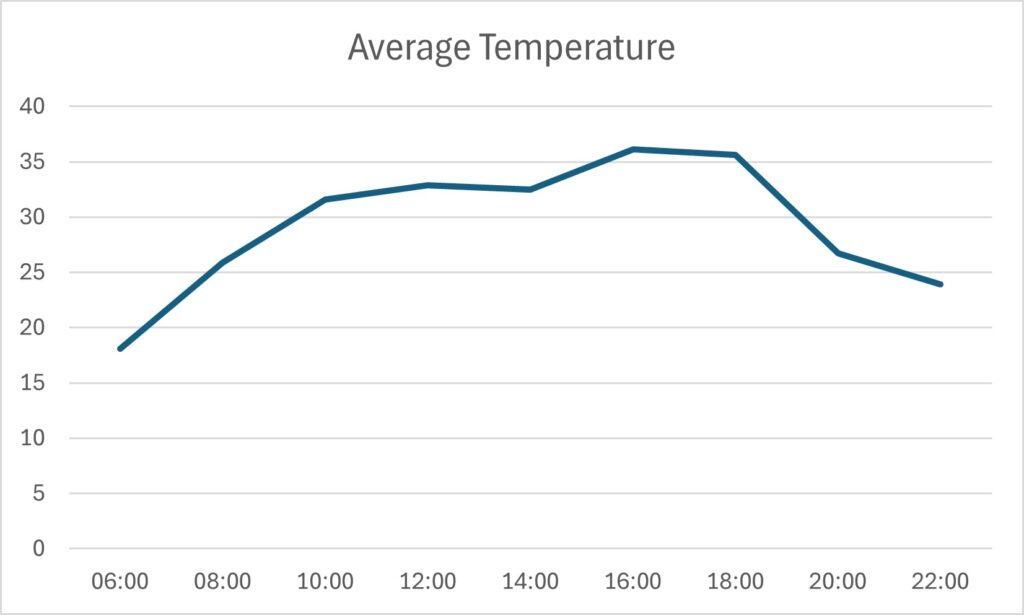
During spring, temperatures were hot, but not insufferable. Before sunrise, temperatures would sit between 18℃ and 20℃. By 9AM, this would spike up to 30℃ and gradually increase into the afternoon up to a maximum of 38℃. Whilst Bearded Dragons were certainly more active during the early mornings and late afternoons, we recorded two individuals basking during the middle of the day.
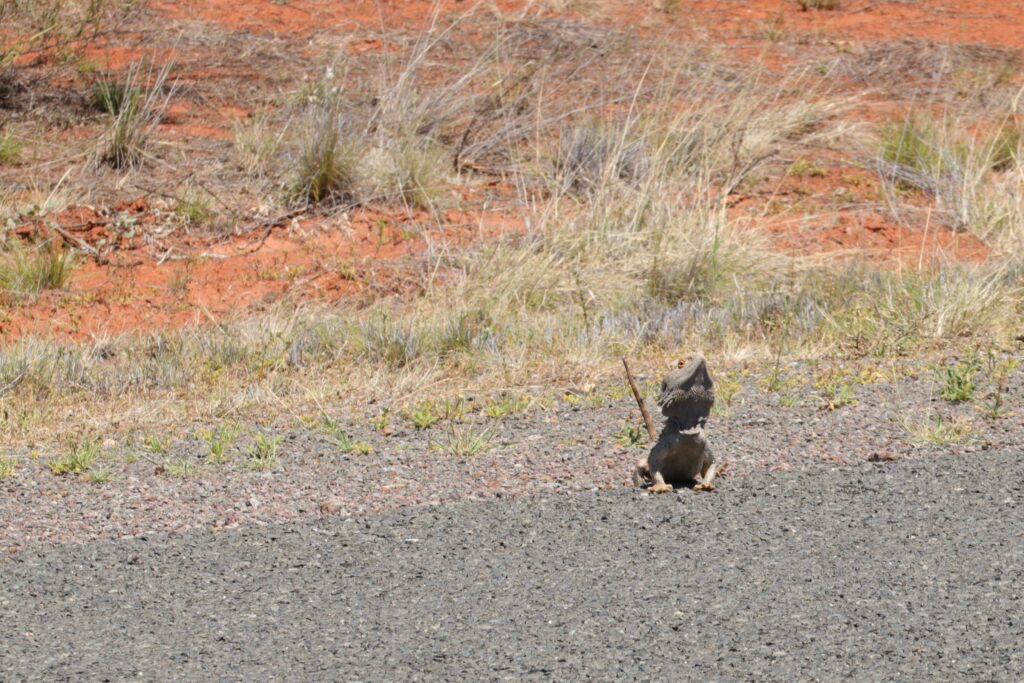
We saw most activity from dragons whilst temperatures were between 32℃ and 36℃. The search area was concentrated mostly on the roads. This allowed us to cover a greater distance and maintain consistent observation during the hottest parts of the day. Surface temperatures in locations with basking dragons varied greatly from 40℃ to 60℃. This highlights that IR-C radiation (heat) is not nearly as important as IR-A and UVB directly from the sun. However, it was interesting to see the conditions that wild bearded dragons tolerate.
Humidity at this time of year also remained very low. It reached its highest level (37%) around sunrise (6AM – 8AM). This would soon decrease as the sun rose. Humidity would mostly sit between 15% and 25%. This represents very dry conditions when compared to the UK, much of Europe and North America.
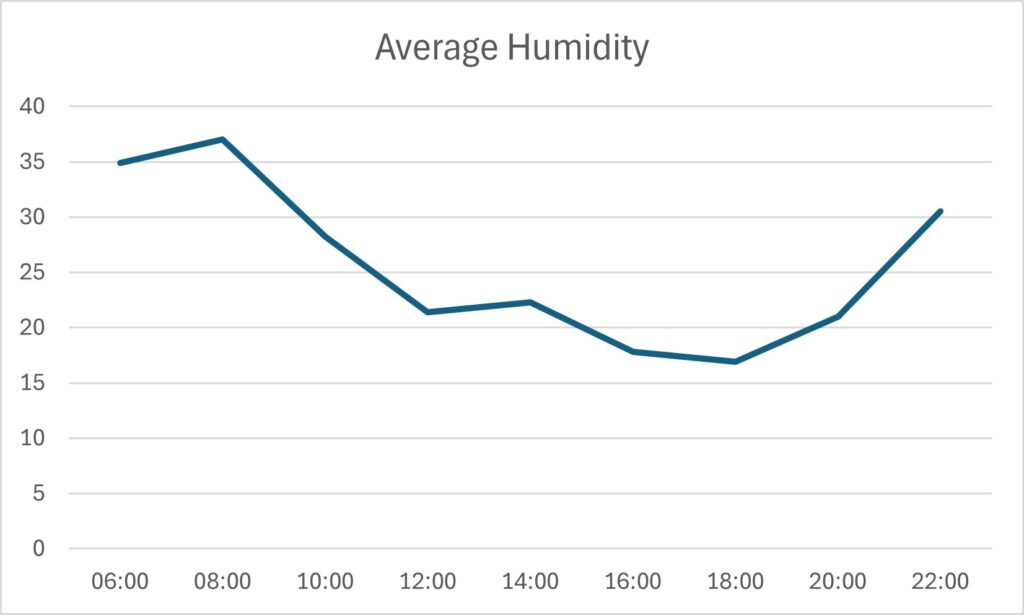
It should be noted that both temperature and humidity will change quite drastically throughout the year. However, Central Bearded Dragons spend all winter and most of autumn underground. So, in the wild, they will be exposed to even hotter and drier climate conditions during their periods of activity. Whereas, they become dormant underground in a state of “brumation” when the temperatures drop.
Observations and Habitat Usage
Over four days, we sighted numerous Bearded Dragons and filmed/photographed 7 animals. Bearded Dragons, like most agamids, are skittish in the wild. They do not, however, perceive the shape of a car as a threat. This meant we had to photograph the animals from the car, before exiting the vehicle and crawling on hands and knees, to get closer footage. In some cases, the lizards would quickly scurry to a patch of vegetation and lie as low as possible, allowing for better photographs without manipulating the animal. Bearded Dragons also freeze as a threat response or bloat their iconic ‘beards’ in a defensive posture. These behaviours are seldom witnessed in captivity.
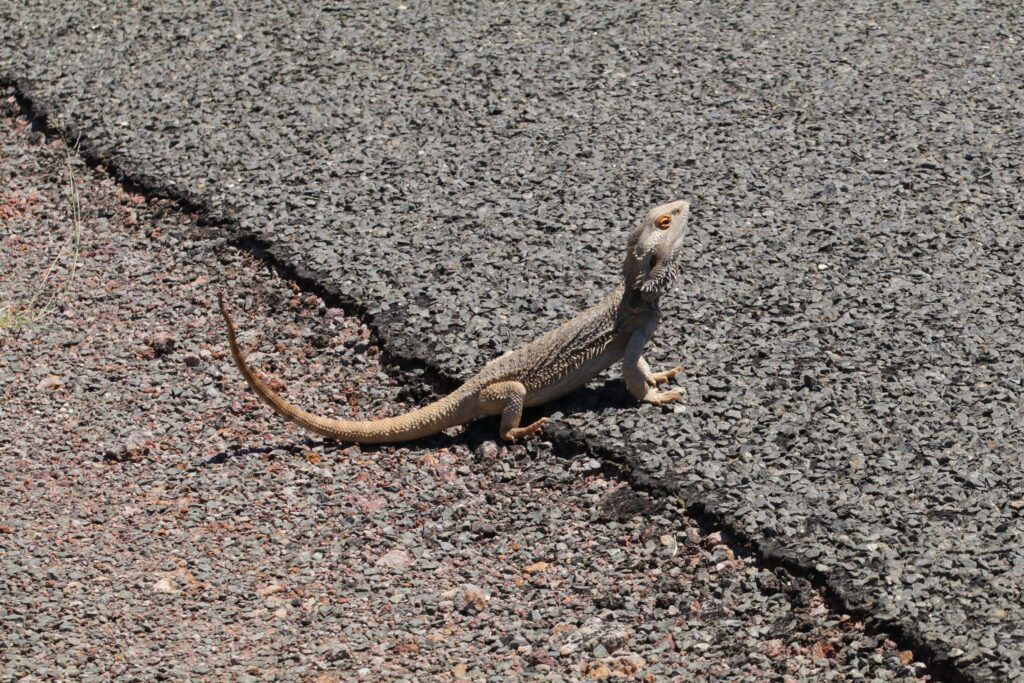
Captive bearded dragons have been bred for many generations, and there may be a valid argument for “domestication” within the species. However, their “taming down” in captivity is likely rooted in their tendency to freeze without a reliable escape route. Therefore, offering artificial “burrows” or areas of dense branches or flora is advisable and may help the lizard feel secure.
Bearded Dragons also sleep on bushes, rather than in burrows. This gives them a chance to escape nocturnal predators. We did not witness this behaviour first-hand, but we did see multiple Elapids cruising the roads at night. These snakes almost certainly raid lizard and mammal burrows in search of prey.
Habitat Structure
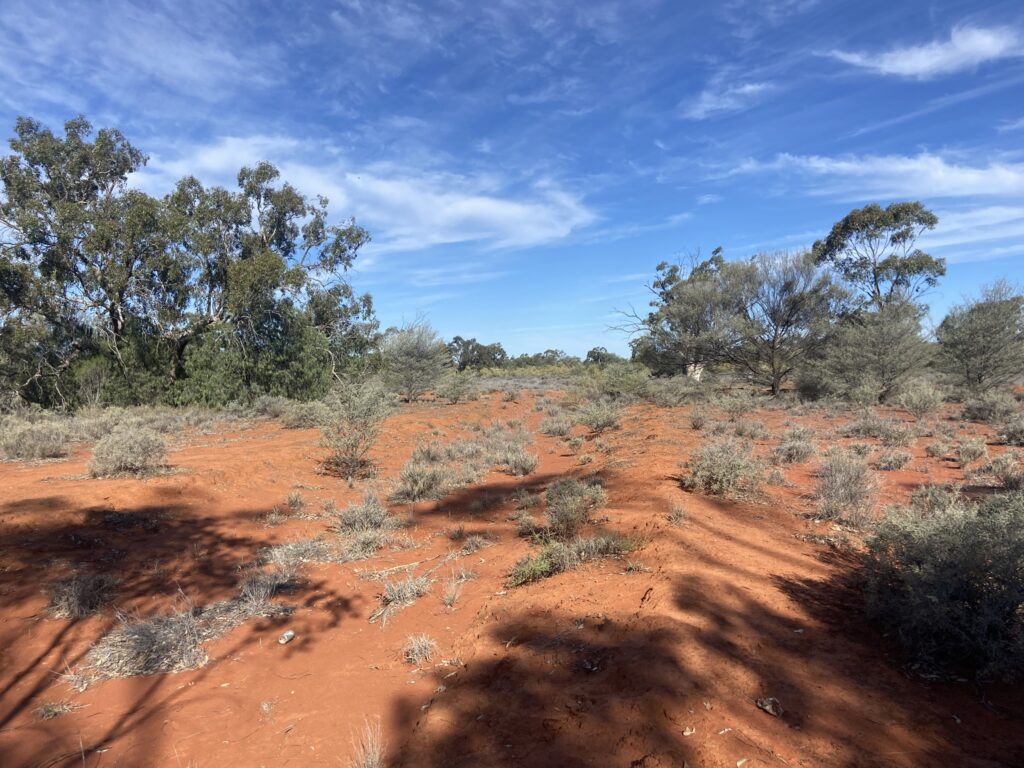
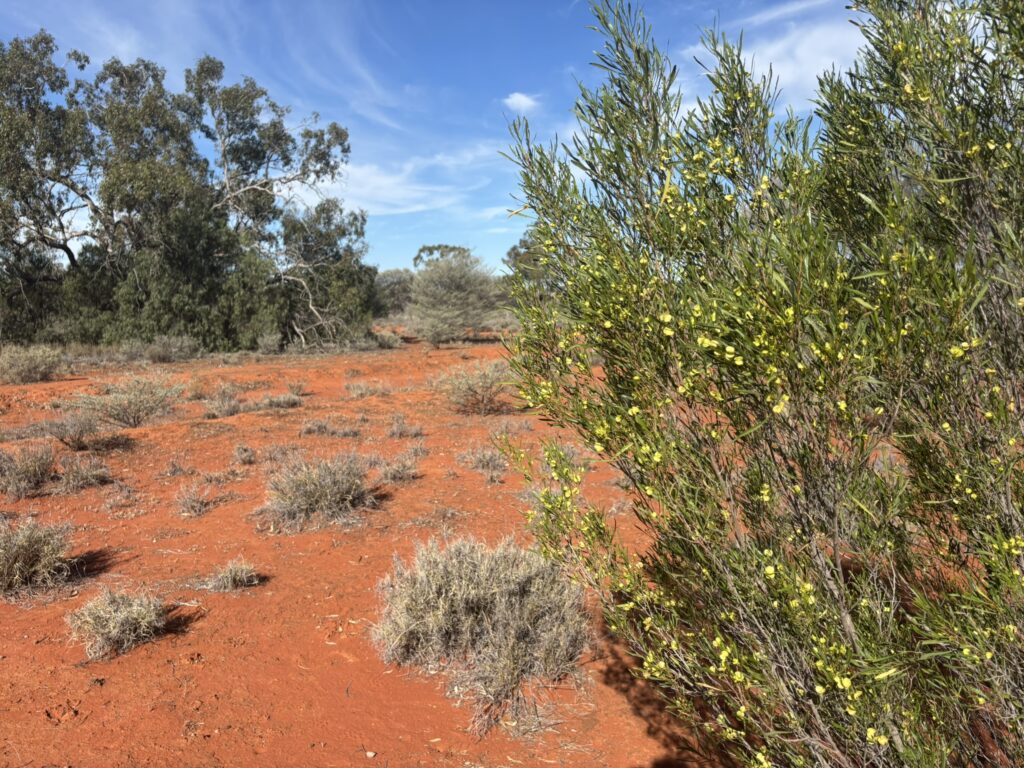
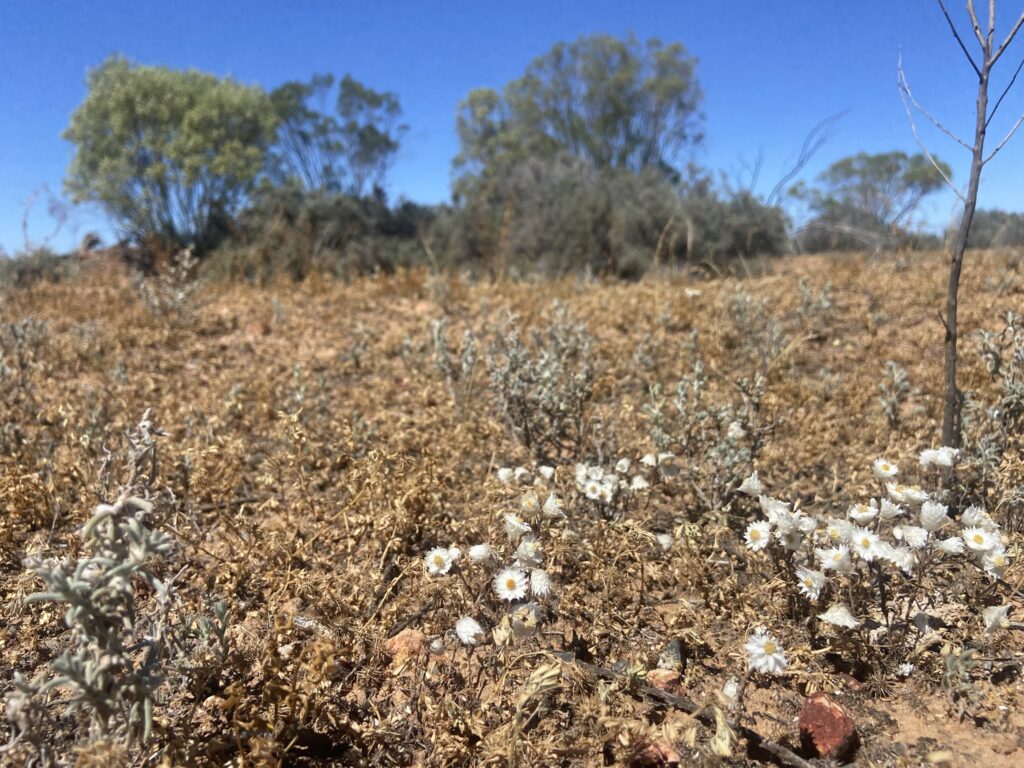
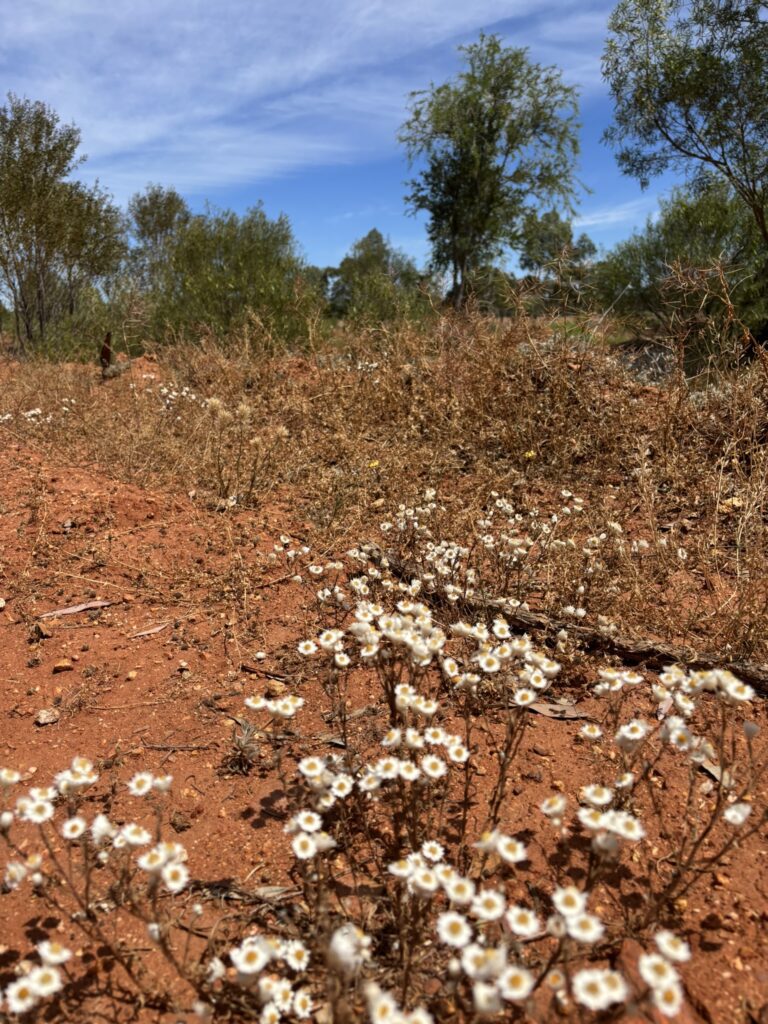
Bearded Dragons occupy an enormous range, and the locations we found them were also quite varied. However, there were many traits that each location shared, such as:
- Vantage points such as trees, fence posts, bushes, etc.
- Flat, expansive areas of firm, sandy and/or gravelly terrain.
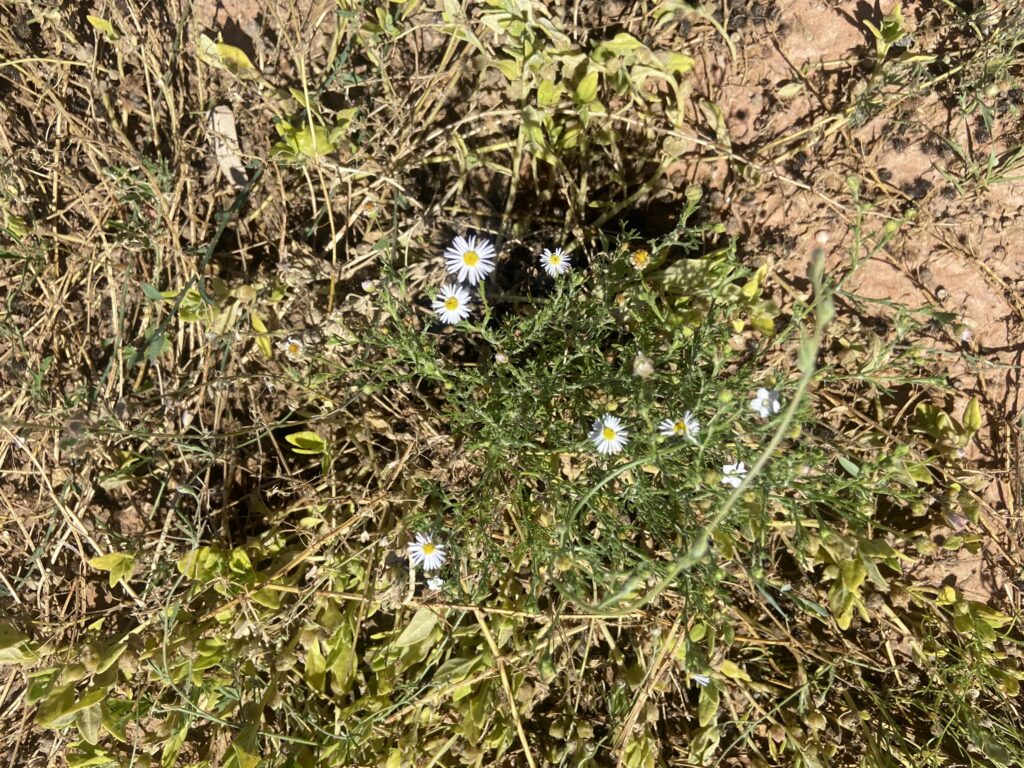
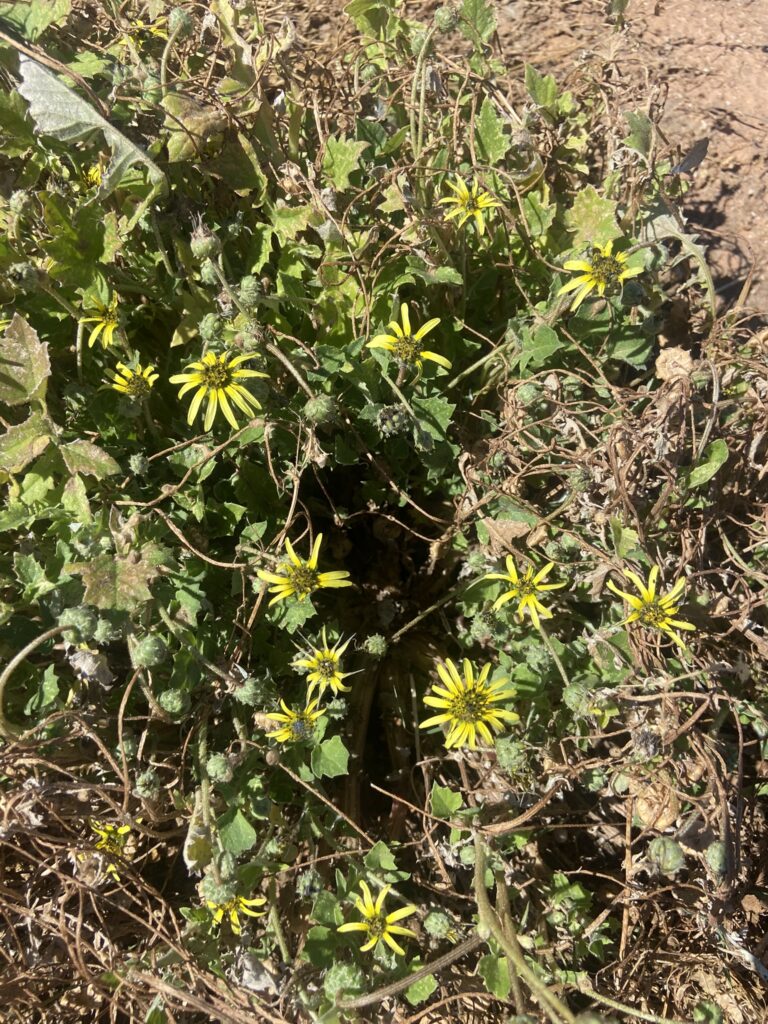
- An abundance of flowers and shrubs.
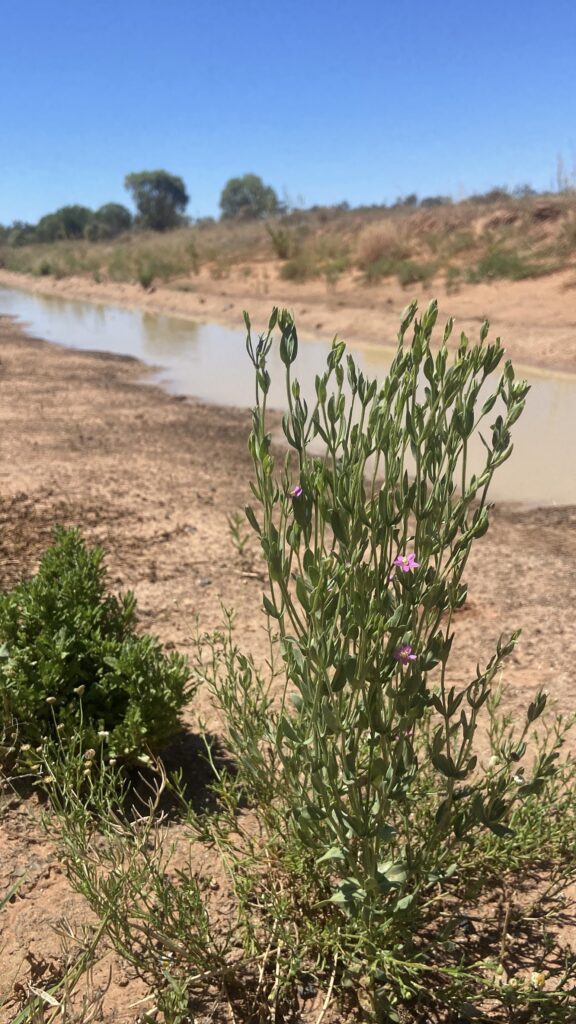
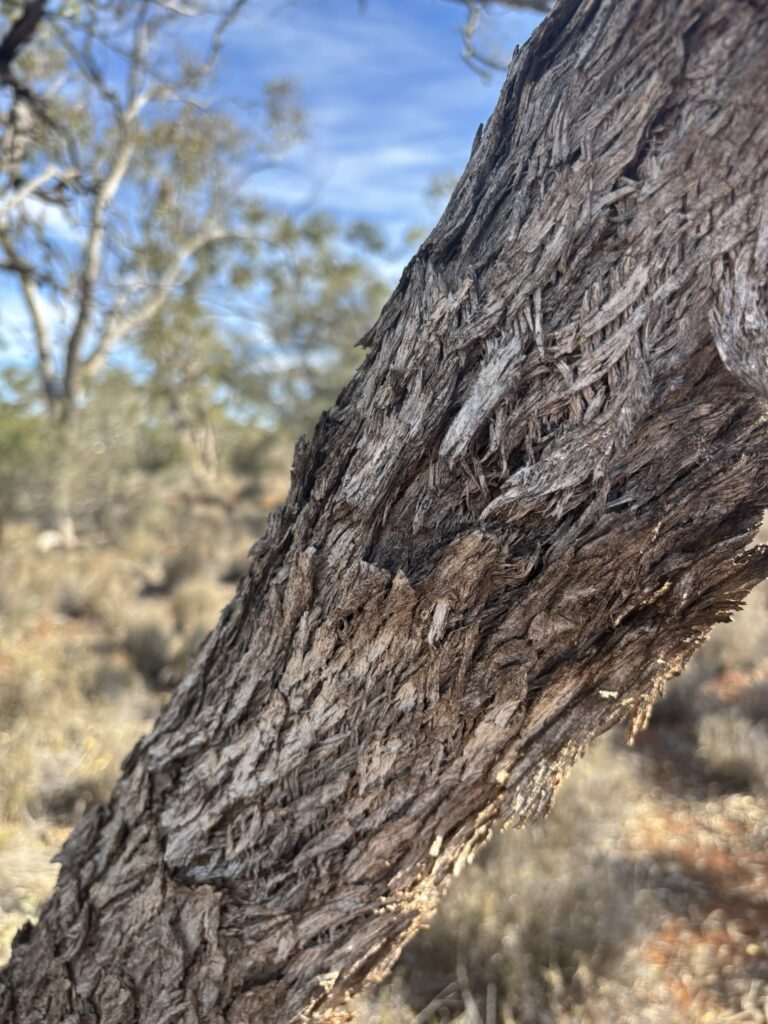
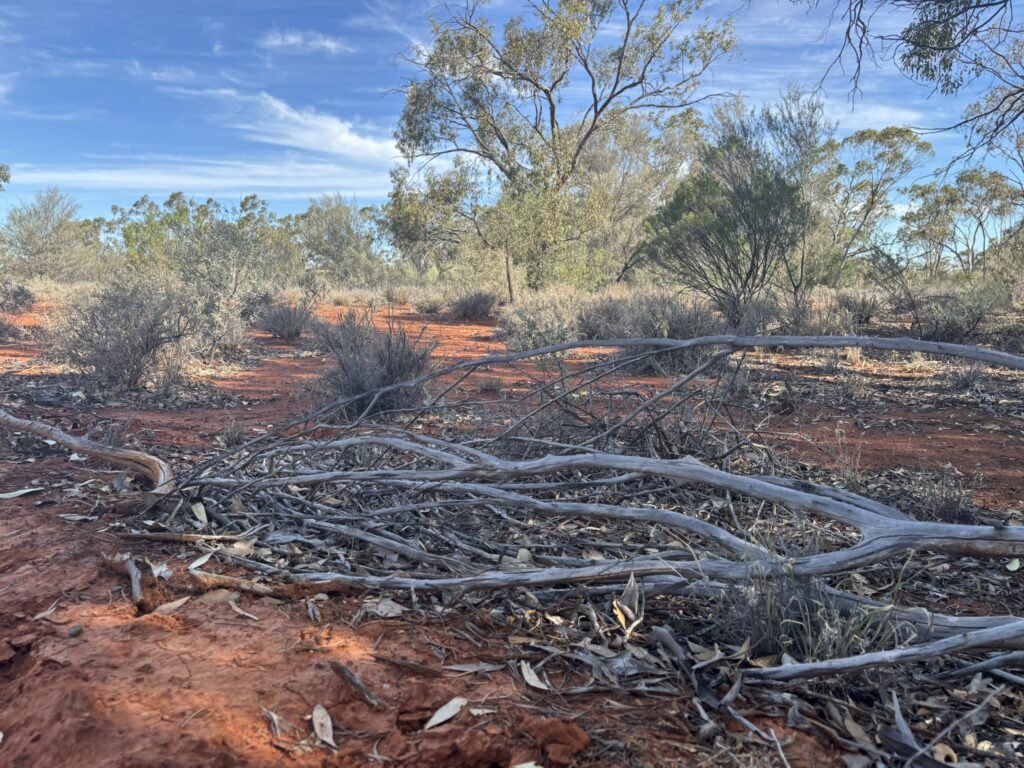
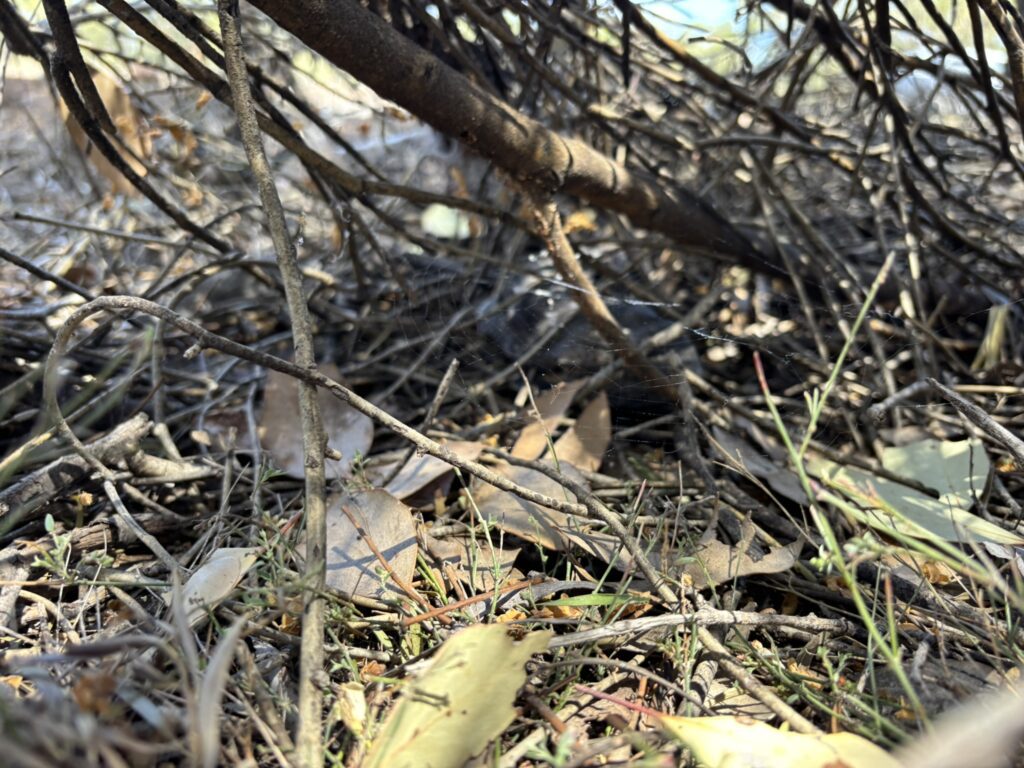
The habitat also featured a surprising amount of fallen trees and leaf litter. The low humidity in this region means plants decompose very slowly. Logs are baked in the sun and offer valuable perches and shelter.
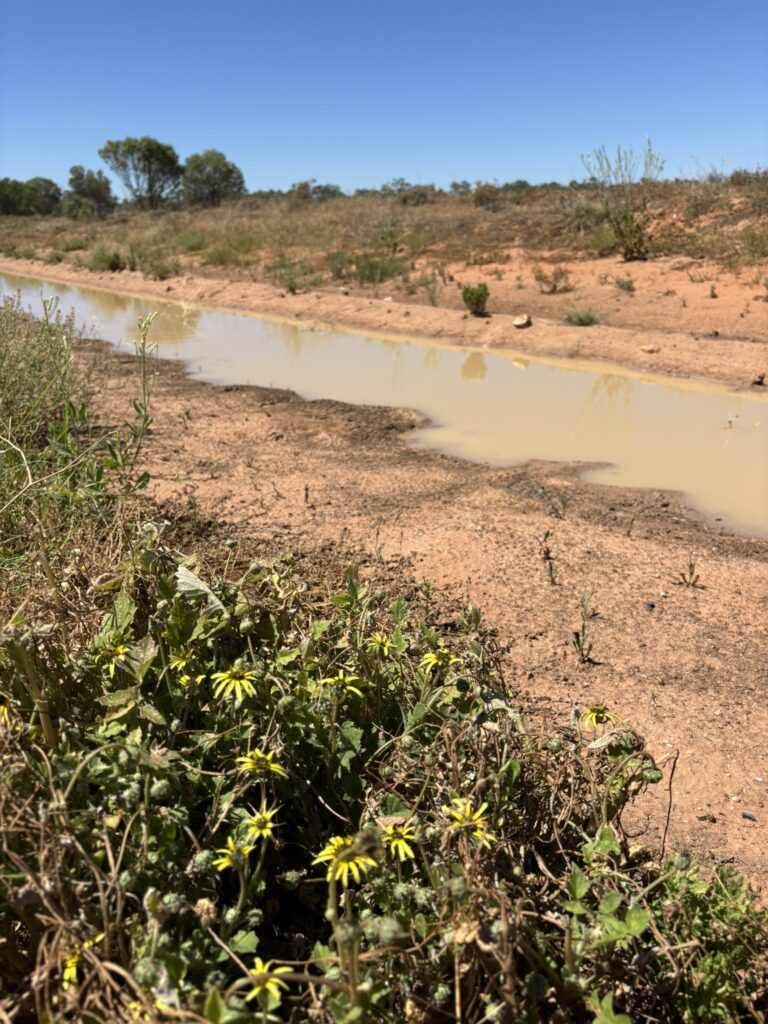
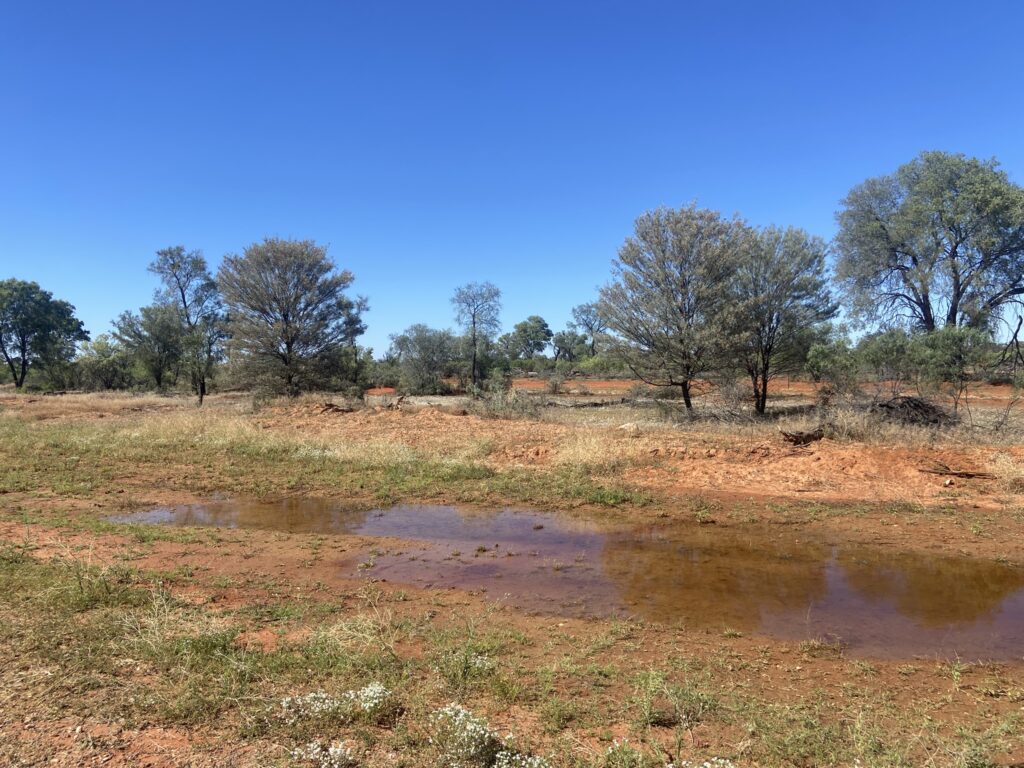
In this particular location, water was quite abundant. Most verges on the side of the road would fill with water for a few days after rain, and there are numerous substantial rivers. Some agricultural works also maintain entire ponds and lakes, likely for irrigation. However, Bearded Dragons were not found close to these disturbed areas. We also noticed no correlation between water and dragon abundance. The lizards most likely drink from the occasional rainfall and receive hydration through their diet, as opposed to actively seeking out permanent bodies of water. This would explain how the species can persist in even drier parts of Australia.
Weights, Sizes and Diet
As with all Exotics Keeper collaborative expeditions, we utilised a hands-off approach, which meant no concrete size data. However, wild bearded dragons were inarguably slimmer than most captive ones.
Captive bearded dragons are facing an obesity crisis. Fruits are extremely high in sugar and not frequently available in the wild. Instead, high fibre herbage is consumed. Dragons that are fed too much soft flora (fruits, leafy salad, etc) or soft-bodied insects can encounter scaling on their teeth. Equally, some soft-bodied insects have more fat in them than other feeder species.
There has been a growing trend in feeding hornworms to Bearded Dragons as a method of hydration. In the wild, termites make a significant contribution to the insect element of a beardie’s diet for at least a few months. We also encountered various grasshoppers and beetles, but very few butterflies and moths. Although only anecdotal, it would seem unnatural to feed a bearded dragon on soft-bodied worms for many months of the year, regardless of their nutritional profile. As impaction is a major worry for many keepers, avoiding chitin and other naturally occurring parts of the insectivorous aspect of Pogona vitticeps diet could be more detrimental than we know.
Further Research
Because Bearded Dragons inhabit such a huge area, there is likely to be some variation between the habitats. By working with vets to identify the most common issues presented by Bearded Dragons, as well as field herpetologists in Australia, ProRep aims to continue developing our understanding of the species. By understanding species in the wild, we can ensure that our products help meet the intricate needs of reptiles and promote good education and world-class husbandry.
Watch the full documentary below: